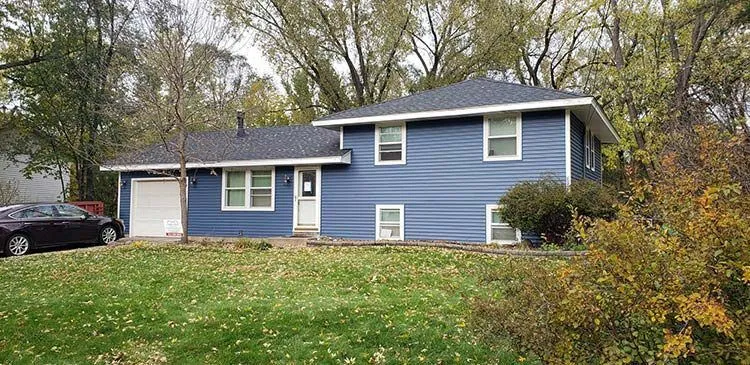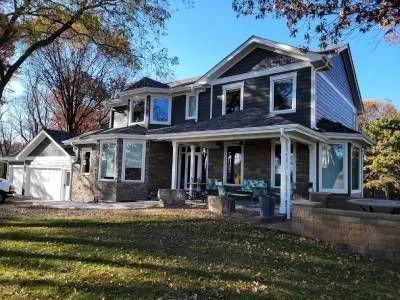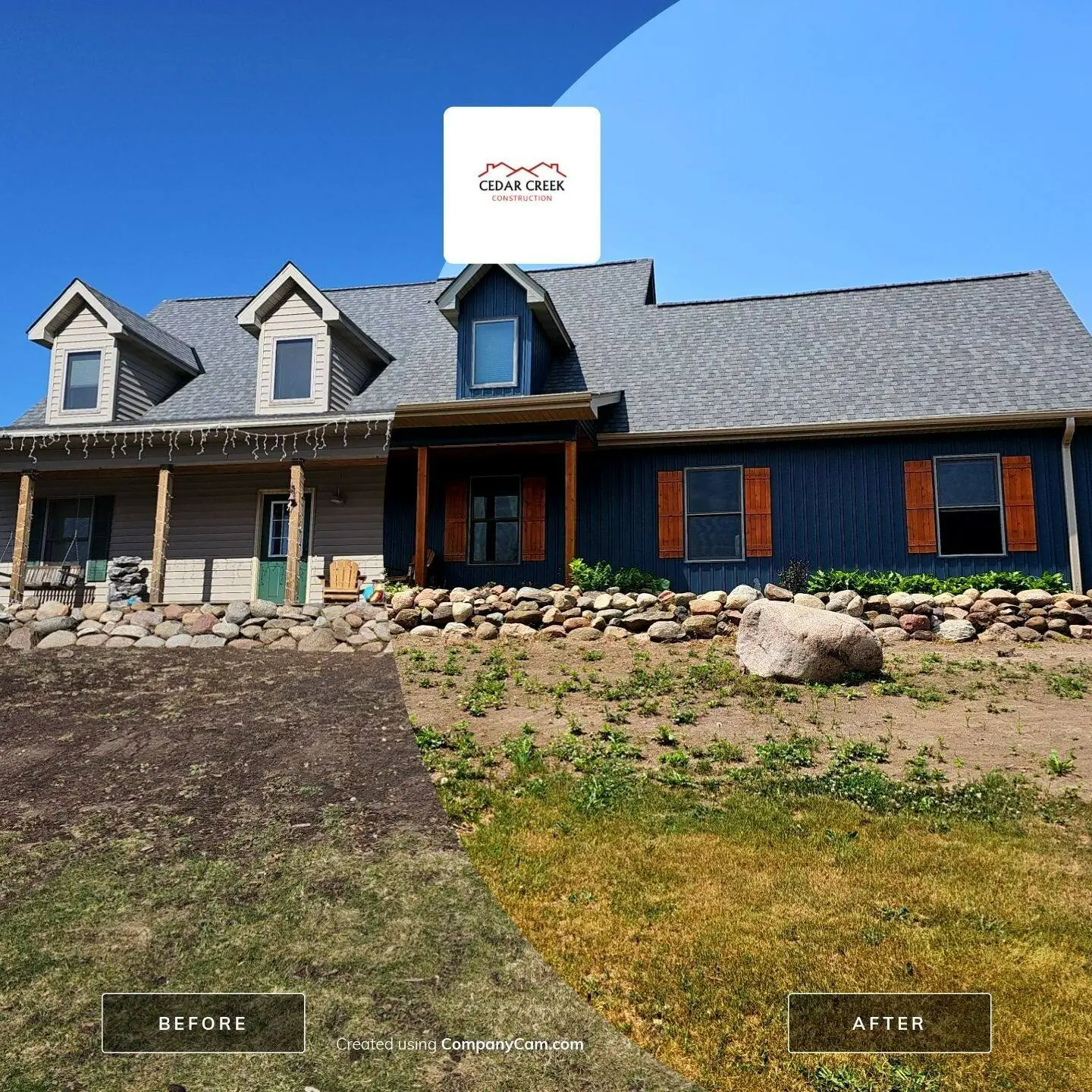
New siding transforms your home's curb appeal and seals it against Minnesota's wind, water, and freeze-thaw cycles—but it's a major investment, and prices vary widely by material. So what does new siding actually cost in the Twin Cities in 2026? Below, our crew breaks down real local price ranges by material and home size, and explains what separates a quote that lasts from one that doesn't.
The Short Answer: Average Siding Cost in Minnesota (2026)
For a typical Twin Cities home, a full siding replacement runs about $10,000 to $40,000 in 2026, depending almost entirely on the material you choose and the size and complexity of your home. For a 2,000-square-foot home, most full re-side projects land between $18,000 and $40,000.
Here's the quick view by material, fully installed:
- Vinyl siding: about $5–$9 per sq ft (~$10,000–$22,000 for many homes)
- LP SmartSide (engineered wood): about $6–$9 per sq ft (~$14,000–$30,000)
- James Hardie (fiber cement): about $8–$18 per sq ft (~$20,000–$40,000)
Read on to see what you get at each price point—and what drives your number up or down.
How Siding Is Priced: Per Square Foot
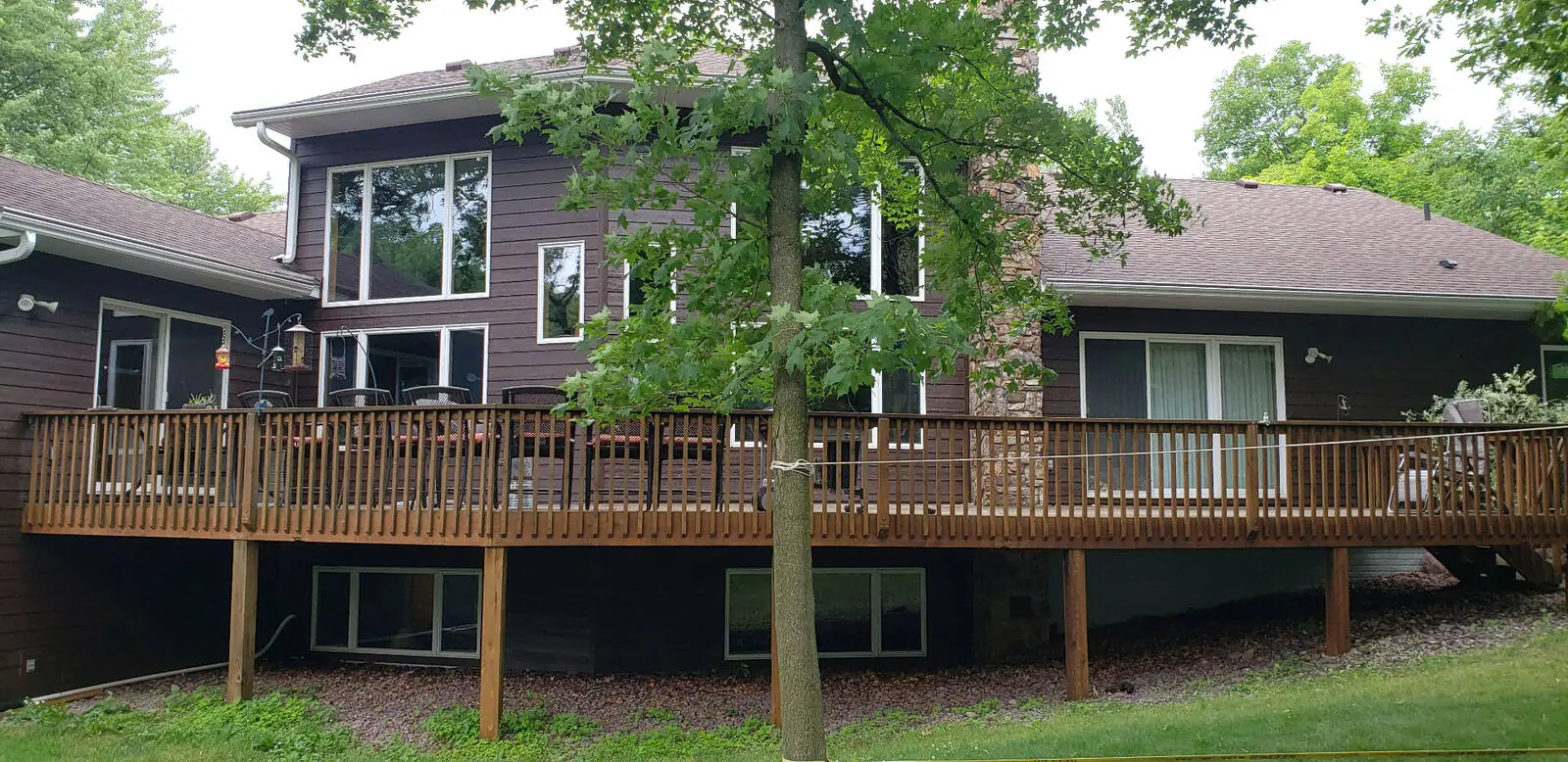
Siding is priced per square foot of wall area—not your home's floor area. A 2,000-square-foot house often has 1,800–2,600+ square feet of exterior wall to cover, depending on its shape and number of stories. Two-story homes cost more to side than ranch-style homes of the same floor area, both because there's more wall and because the upper work requires more staging and labor.
Siding Cost by Material
Vinyl Siding — the Affordable Choice
At roughly $5–$9 per square foot installed, vinyl is the most budget-friendly option and still the most common siding in Minnesota. It never needs painting, comes in many colors and profiles, and insulated versions improve energy efficiency. The trade-off: standard vinyl can become brittle in extreme cold, and it doesn't add as much resale value as premium materials.
LP SmartSide — Engineered Wood
LP SmartSide runs about $6–$9 per square foot installed—a popular middle ground in the Twin Cities. It delivers the warm look of real wood with much better impact and moisture resistance than natural cedar, holds paint beautifully, and is lighter and less expensive than fiber cement. Because it's engineered wood, proper installation and sealing matter—well-installed, it performs excellently through Minnesota winters.
James Hardie Fiber Cement — the Premium Standard
James Hardie fiber cement costs about $8–$18 per square foot installed, with HardiePlank ColorPlus on a straightforward home often landing in the $22,000–$32,000 range. It's the most durable mainstream option: fire-resistant, rot-proof, and backed by long warranties, with ColorPlus finishes that resist fading for 15+ years. It's the highest up-front cost, but the longest-lived.
What Affects Your Siding Cost
Beyond material, the biggest factors are:
- Home size and number of stories — more wall area and more staging for two-story homes.
- Removing old siding — tear-off and disposal of the existing siding adds labor.
- Sheathing and trim repair — any rotted sheathing, trim, soffit, or fascia behind the old siding must be repaired.
- House wrap and insulation — a quality moisture barrier (and optional insulated siding) affects both cost and performance.
- Trim package and accessories — corners, J-channel, window and door wraps, and accent details.
- Home complexity — gables, dormers, multiple stories, and intricate rooflines all add labor.
What's Included in a Quality Minnesota Siding Installation
In our climate, what's behind the siding matters as much as the siding itself. A proper installation includes:
- Tear-off and disposal of the old siding
- Inspection and repair of the sheathing underneath
- A quality house wrap / moisture barrier
- Proper flashing around windows, doors, and penetrations
- New trim, soffit, and fascia as needed
- Correct fastening and expansion gaps for freeze-thaw movement
- Full cleanup and a magnet sweep for nails
Unusually cheap quotes often skip the moisture barrier or proper flashing—shortcuts that let water behind the wall and cause rot. Always ask exactly what's included. For more on choosing a material, see our guide to vinyl vs. fiber cement siding.
Does Insurance Cover Siding Replacement in Minnesota?
Just like roofs, siding is frequently damaged by Minnesota hail and wind—and that damage is often insurable. If a storm cracked, punctured, or tore off siding, you may have a valid claim, and damage commonly affects the roof and siding together. We've helped Twin Cities homeowners document siding damage and work with adjusters for 20+ years. Start with our storm damage services, or for a smaller fix see siding repair.
Which Siding Is Right for Your Minnesota Home?
The best choice depends on your budget, how long you plan to stay, and the look you want. Vinyl maximizes value, LP SmartSide balances looks and durability, and James Hardie delivers the longest-lasting premium finish. We'll walk you through samples and honest trade-offs—learn more on our siding replacement page, and see what winter does to neglected siding in our guide to damaged siding in a Minnesota winter.
How to Get an Accurate Siding Estimate
The ranges above are a useful starting point, but your real price depends on your specific home—its size, shape, condition, and the material you choose. The only way to know is an on-site measurement and a written, itemized estimate.
At Cedar Creek Construction, estimates are always free with no pressure. We'll measure your home, assess the condition behind your current siding, and give you a clear breakdown of your options. Schedule your free estimate or explore our siding replacement service.
*Pricing in this guide reflects 2026 Twin Cities averages and is intended for general guidance only. Your actual cost will vary based on your home and material selection. Contact us for a free, accurate estimate.*