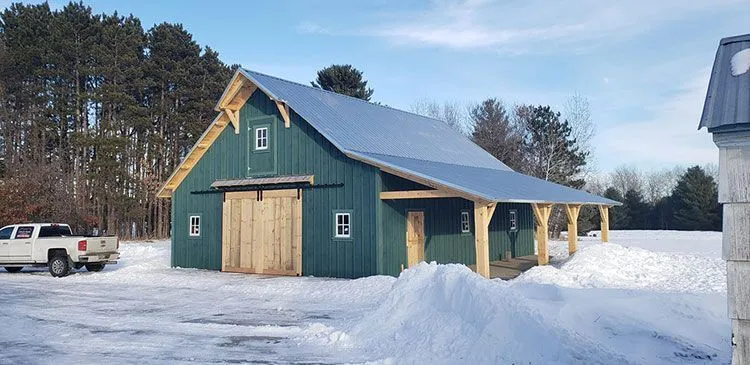
A new roof is a major investment, so it's natural to ask: how long will it actually last? In Minnesota, the honest answer is "a bit less than the box promises." Our freeze-thaw swings, heavy snow, ice dams, and summer hail are hard on every roofing material—so a roof that might last 30 years in a mild climate often gives you fewer here. Here's what to realistically expect by material, and how to get the most years out of your roof.
The Short Answer
In Minnesota's climate, here's how long each roofing material typically lasts:
- 3-tab asphalt shingles: about 15–25 years
- Architectural (dimensional) asphalt shingles: about 22–30 years
- Metal roofing (standing-seam steel or aluminum): about 40–70 years
- Cedar shakes: about 25–35 years, with regular maintenance
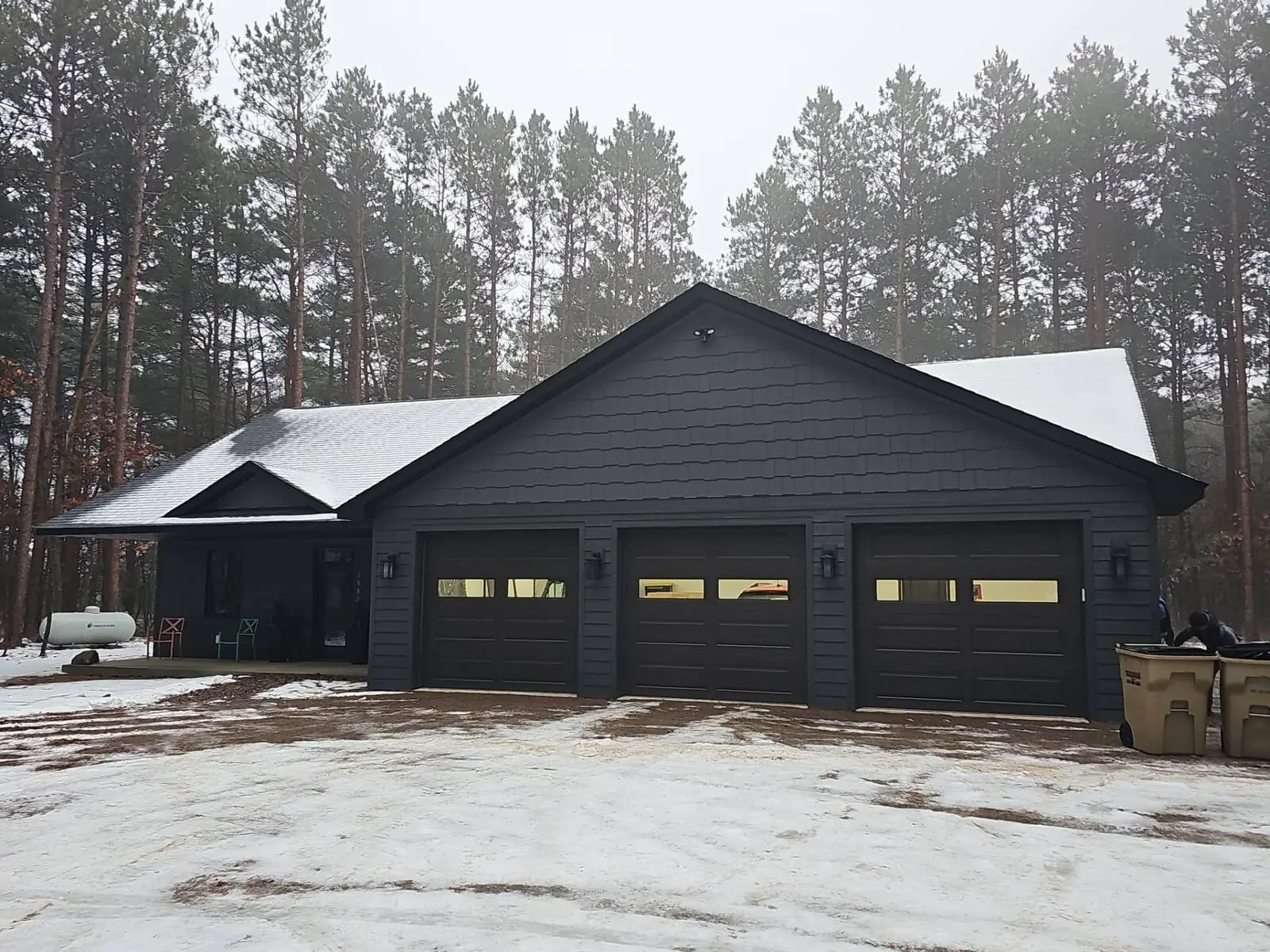
Most Minnesota homes have architectural asphalt shingles, so the practical answer for the average homeowner is roughly two to three decades—if the roof is well-installed, well-ventilated, and doesn't take a direct hit from a major hailstorm.
Roof Lifespan by Material
Asphalt Shingles
Asphalt is the most common roofing in Minnesota. Basic 3-tab shingles are the budget option and last about 15–25 years. Architectural shingles—thicker, heavier, and more wind- and impact-resistant—are the sweet spot for our climate, typically lasting 22–30 years. Class 4 impact-resistant asphalt shingles are a smart upgrade in hail country and can also earn an insurance discount.
Metal Roofing
Metal is the longest-lasting mainstream option. A quality standing-seam steel or aluminum roof can last 40–70 years and shrugs off snow, ice dams, wind, and freeze-thaw better than anything else. It costs more up front, but if you plan to stay in your home long term, it may be the last roof you ever buy.
Cedar Shakes
Cedar brings beautiful, natural character, but it's high-maintenance in Minnesota. Expect about 25–35 years—and only with regular upkeep (cleaning, treatment, and replacing split or rotted shakes). Our freeze-thaw cycles and ice-dam loading shorten cedar's life compared with drier climates.
Why Minnesota Roofs Age Faster
The same roof lasts longer in Arizona than in Minnesota. Here's what wears ours out sooner:
- Freeze-thaw cycles: Repeated freezing and thawing—sometimes dozens of times a season—expands and contracts roofing materials and works moisture into small cracks.
- Heavy snow loads: Weeks of snow sitting on the roof add stress and trap moisture.
- Ice dams: When attic heat melts snow that refreezes at the eaves, water can back up under your shingles. Learn how to stop them in our ice dam prevention guide.
- Hail and wind: A single severe hailstorm can end a roof's life decades early—often as an insurance claim. See does insurance cover roof replacement.
- Sun and temperature swings: UV and big daily temperature changes degrade shingles over time.
What Shortens a Roof's Life (Often by Years)
Two identical roofs can age very differently. The biggest culprits:
- Poor attic ventilation and insulation — traps heat and moisture, cooking shingles from below and fueling ice dams.
- A cut-rate installation — skipping ice-and-water shield, proper flashing, or correct nailing leads to early failure.
- Deferred maintenance — small leaks, lifted shingles, and failed flashing turn into big problems when ignored.
- Storm damage left unaddressed — minor hail or wind damage accelerates wear if it isn't repaired.
How to Get the Most Years From Your Roof
- Get the ventilation right. Balanced intake and exhaust keeps the roof deck cold and dry—one of the biggest factors in roof longevity here.
- Keep up with maintenance. Clear debris, keep gutters flowing, and address small issues early. A quick roof repair now can add years.
- Prevent ice dams. Insulation, air sealing, and ventilation work together to stop them.
- Inspect after big storms. Catching hail or wind damage early prevents a slow decline.
Signs Your Roof Is Nearing the End
Watch for curling or missing shingles, granules in the gutters, daylight or stains in the attic, and persistent leaks. We cover these in detail in 5 signs your roof needs replacement. If your roof is also past 20 years, it's wise to start planning ahead.
Planning for Your Next Roof
When it's time, knowing what to expect makes the decision easier. Our Minnesota roof replacement cost guide breaks down 2026 pricing, and our roof replacement service walks through the full process. Not sure where your roof stands? Schedule a free inspection and we'll give you an honest assessment of how many years you likely have left—and whether repair or replacement makes more sense.
*Lifespan ranges are general estimates for Minnesota's climate. Your roof's actual life depends on its material, installation quality, ventilation, and storm exposure.*